August 31st, 2016
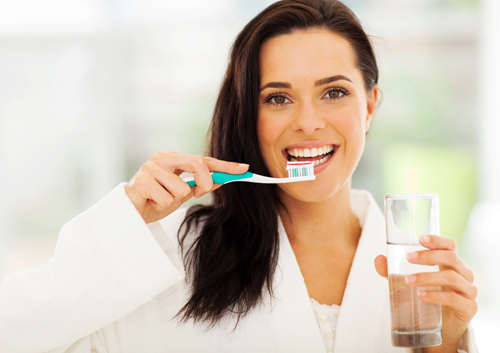
Toothpastes come in many forms and boast different flavors, benefits, and endorsements. All are designed to remove surface bacteria and prevent the buildup of plaque that can cause tooth decay. With so many choices, Dr. Timm and our team at Blue Spruce Dental know that selecting the right toothpaste can be intimidating. After all, some benefits are welcome bonuses, while others are absolutely essential. So how can you know which toothpaste is best for you?
ADA Seal of Approval
While all toothpastes must first be approved by the Food and Drug Administration for sale to consumers, the American Dental Association puts these products through further rigorous tests for safety and effectiveness. Toothpaste that boasts the ADA Seal of Approval can be trusted to do exactly what it claims.
Fluoridated
Fluoride is an essential ingredient in a daily toothpaste. It helps to protect the tooth from decay by removing plaque and strengthening the enamel. Although fluoride is found in many public water supplies, many people are deficient in it due to the consumption of bottled water instead of tap water. All toothpastes with the ADA Seal of Approval contain fluoride.
Other benefits
If a toothpaste meets the ADA’s standards and contains fluoride, the next step is to clear it with your dentist. This is especially true if you decide to use a whitening toothpaste, which often contains abrasives to remove surface stains. Though abrasives are an effective aid in tooth whitening, they may not be recommended if you have weak tooth enamel.
Specialty toothpastes
In certain situations, Dr. Timm may suggest or prescribe specialty toothpaste, depending on your oral health needs. For example, patients who are prone to tooth decay and cavities despite frequent brushing and flossing may benefit from prescription-strength fluoridated toothpaste to help prevent the weakening of tooth enamel. Others who suffer from tooth sensitivity may benefit from the use of desensitizing toothpaste. Talk with Dr. Timm if you think a specialty toothpaste could be right for you by scheduling an appointment at our Michigan Center, MI office.
August 24th, 2016

While Dr. Timm and our team at Blue Spruce Dental strive to offer a comfortable and unmatched experience for all our patients, we realize that fear or anxiety while visiting the dentist still affects some of our patients. For those of our patients who need extra comfort and relaxation during their visits, we are more than happy to offer IV sedation, a safe and effective option that provides a deeper and more complete relaxing state than most common oral medications.
Sedation dentistry at our Michigan Center, MI office can turn a nerve-wracking and sweaty-palmed visit into a comfortable and pleasant one, and allows our patients to drift through their appointments, including complex dental work, feeling completely relaxed and without any discomfort or pain.
During sedation, Dr. Timm and our team will monitor your comfort, providing as much medication as necessary to keep you relaxed. We will also use the best tools we have at our disposal to monitor your vital signs so that you can have peace of mind before your procedure.
Dr. Timm and our team will be able to tell you if you are a candidate for sedation dentistry and will be more than happy to discuss any concerns, issues, or fears you may have before or during your visit. By talking with us about sedation dentistry, you can feel more comfortable and relaxed during your next visit to Blue Spruce Dental. Give us a call today!
August 17th, 2016

As you grow older, your mind may be preoccupied with the health of your bones, heart, or brain. However, our team at Blue Spruce Dental will tell you that keeping your teeth healthy is an equally important part of the aging process. Older adults are at increased risk for a variety of oral health conditions, which makes it essential for you to speak with your dentist to create a prevention plan that’s best for you.
Oral health conditions associated with aging
Just as the rest of your body continues to change as you age, your mouth changes, too. Certain conditions become more likely to develop as you reach older adulthood, including:
- Dry mouth. Although your salivary glands continue to produce saliva as you get older, medications and chronic health problems often cause dry mouth.
- Root decay. Your teeth have lasted you a lifetime, but improper nutrition or cleaning may lead to decay at the roots of your teeth.
- Diminished sense of taste. Your eyesight and hearing aren’t the only senses affected by aging. The ability to taste naturally diminishes over the course of older adulthood.
- Tissue inflammation. Are your gums tender, bleeding, or inflamed? Tissue inflammation may indicate gum disease or may be a consequence of wearing dentures that don’t fit well.
- Oral cancer. Risk for most cancers increases with age, and oral cancer is no exception. Older adults are at increased risk for oral cancer compared to younger individuals.
Ways you can prevent dental problems
Fortunately, many age-related oral health problems are preventable. Begin by improving your diet to include plenty of fruits and vegetables. Choosing water over coffee or soda will keep your teeth whiter and cavity-free. Also remember to practice good brushing habits to prevent cavities and gum disease.
Visiting the dentist at least twice a year is vitally important when you reach older adulthood. Your dentist is familiar with your oral health and may be the first person to notice a sore, discolored patch, inflammation, or other abnormality that indicates oral cancer or gum disease.
If you’re experiencing any problems with dental health, let your dentist know immediately. Together, you can troubleshoot solutions and create a plan that keeps your mouth and gums healthy.
For more information, or to schedule an appointment with Dr. Timm, please give us a call at our convenient Michigan Center, MI office!
August 10th, 2016

Sports are great for children for a variety of reasons. Children can develop their motor skills, learn how to solve conflicts and work together, and develop their work ethics. As a parent, you may recognize the benefits of sports, but also naturally worry about your child’s health and safety. Your job goes beyond providing a water bottle and making sure your child follows the rules of the game.
Although you may not think of your child’s teeth first when you think about sports, accidents can happen that affect your children’s teeth. A stray hockey stick, an errant basketball, or a misguided dive after a volleyball are examples of ways a child could lose a tooth. In fact, studies show that young athletes lose more than three million teeth each year.
Becoming a Better Athlete to Protect Teeth
Becoming a better athlete involves refining skills, learning the rules of the game, and being a good sport. These components are not just about winning. They are also about safety. Young athletes who are better ball-handlers and who are careful to avoid fouls and penalties are less likely to have harmful contact with the ball, teammates, or opponents. Children who are better roller-bladers are less likely to take a face plant into the blacktop, and more likely to save their teeth. Being a good sport and avoiding unnecessary contact is one way to protect teeth.
Proper Protective Equipment for Teeth
If your child is in a sport that poses a high threat to teeth, it is essential for your child to wear a mouthguard. Mouthguards fit your child’s mouth and consist of soft plastic. Dr. Timm can custom fit a mouthguard if generic ones are uncomfortable. While children may resist wearing a mouthguard initially, your persistence in insisting that they wear it should be enough to convince them. A helmet or face mask provides additional protection.
While prevention is best, rapid treatment can improve the situation if your child does happen to lose a tooth during sports. Rapid implantation can work in about ten percent of cases. To learn about ways to save a lost tooth, contact our Michigan Center, MI office.