Our Blog

What type of toothpaste is right for you?

January 13th, 2016

Toothpaste no longer comes in simple choices of fluoride and fresh breath. Paste is not even the only option! You can choose gel forms and even some with ribbons of color and flavor. With so many varieties available, it may be difficult to know which features or combinations of ingredients are best for your mouth. Dr. Timm and our team are here to help!

Fluoride

The majority of all dental patients should use toothpaste with fluoride. Fluoride helps to strengthen the enamel on your teeth; it makes them stronger and more resistant to cavities. Even if you live in an area that adds fluoride to your drinking water, the fluoride protection in toothpaste is necessary.

Some individuals can have an allergic reaction to fluoride. Fluorosis can occur in children or adults that swallow too much toothpaste while brushing. If swallowing cannot be prevented, fluoride use should be reduced. The American Dental Association has updated guidelines that recommend fluoride be used as soon as the first teeth erupt in children. However, the amount should be minimal and swallowing should be prevented.

Sensitivity Protection

If your teeth are sensitive to temperatures, toothpaste with sensitivity protection can work wonders for your discomfort. Ingredients in these pastes or gels work to block the pathways to the nerves that react to hot or cold. Do not give up on this type of toothpaste after a few days; the full results may take a few weeks.

Plaque, Tartar, and Gingivitis Protection

Everyone has bacteria in his or her mouth, and this bacteria is normal. Unfortunately, some bacteria also cause plaque. If the plaque remains on your teeth, it hardens into tartar or calculus. Tartar is an almost cement-like substance that cannot be removed by brushing alone. When bacteria and tartar are left behind, the deposits will form under the gum line. This leads to gingivitis and gum disease.

Since there is a wide variety of toothpastes and ingredients for preventing tartar and gingivitis, ask Dr. Timm and our staff what the best choice is for your teeth. We can help you select the right combination of ingredients.

Whitening

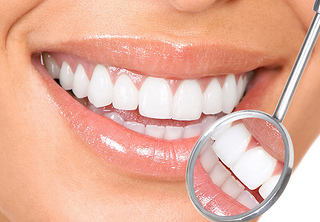
White teeth are desirable, and manufacturers are heavily marketing whitening toothpastes. Most brands do not contain bleaching ingredients; they use abrasives to polish stains away. Unfortunately, too much abrasive use can be damaging to your teeth. If you’re interested in teeth whitening, our Michigan Center, MI team can recommend a number of safe and effective options.

Feel free to ask Dr. Timm and our staff at Blue Spruce Dental about the best choice in toothpaste to meet your individual needs. Remember to look for the ADA approval seal on any toothpaste you are considering.

The Effects of Sleep Apnea on Dental Health

January 6th, 2016

Sleep apnea is an increasingly common medical condition, and one that can have a truly devastating effect on the waking life of the sufferer. Those who suffer from the disorder may find that they suffer any or all of the following side effects:

  • Saliva has several important jobs, and one of them is to protect and heal your tongue, your gums, and the inside of your mouth. Snoring and sleep apnea dry out your mouth, meaning there isn’t enough time for your saliva to do all this vital work.
  • Over an extended period of sleep apnea, it’s likely that the sockets of your teeth will begin to dry out overnight as a result of your gasping for air and snoring between breaths. If this happens too frequently over a long a period of time, it can start to loosen your teeth.
  • Those with sleep apnea often also practice bruxism, which is the habit of clenching and grinding your teeth together as you sleep. This can lead to all manner of problems, including TMJ disorder, damage to the enamel, headaches, and toothaches.
  • For obvious reasons, sleep apnea does not lead to a particularly good night’s sleep. This means that sufferers are often tired and irritable, and suffer from the many other ill effects of sleep deprivation.
  • While it is unclear whether the reasons behind this are correlative or causative, it has been suggested there are links between sleep apnea and cardiac arrests, depressive disorders, Type Two diabetes, cancerous tumors, “silent” strokes, and various complications of pregnancy.

While sleep apnea can be a troubling condition, Dr. Timm and our team at Blue Spruce Dental will tell you it is eminently treatable. There are a number of ways to combat it, ranging from simple sleep hygiene to use of a CPAP machine. Of course, if it is possible for you to reduce your weight a little in a safe and healthy way, some have found that is also helpful in combating the problem. Sleep apnea is very easy to treat, once it has been correctly identified.

If you think you may be suffering from sleep apnea, or if you would like to know more about the condition, please give us a call at our convenient Michigan Center, MI office to schedule an appointment with Dr. Timm.

New Year's Day Around the World

December 30th, 2015

New Year’s Day marks the beginning of the calendar year in most parts of the world. The holiday is celebrated on January 1st of each year. Customs and celebrations vary by country, religion, and even individual desires. Whether celebrated quietly or with gusto, the day brings the start of new opportunities for those that observe it.

United States and Canada

In both the US and Canada, celebrations begin on New Year’s Eve. At midnight on January 1st the New Year is welcomed with bells, horns, whistles, and other noisemakers. Fireworks are often part of the celebrations. In New York City, Times Square comes alive with revelers. In Toronto, there are large celebrations which may feature concerts, late-night partying, sporting events, and fireworks, with free public transit service during peak party times. Many individuals in North America greet the year by making resolutions for improvements in their lives.

China

In China, many people celebrate two forms of a new year. They may observe January 1st, but the traditional Chinese New Year is based on a lunar calendar. Parades with paper lanterns and dragons made from silk are a significant part of the festivities. Legends say that the dragon spends most of its time in hibernation so fireworks are used to keep the dragon awake.

Jewish Celebration

Jewish New Year’s observances begin with Rosh Hashanah, the first day of the New Year, and end with Yom Kippur, the Day of Atonement. This ten-day celebration is held in September or October, based on the Hebrew calendar. The New Year is not marked as much with loud celebrations as with personal insight to mend wrongs and resolve to better oneself.

Other countries and cultures also have different dates for New Year’s Day observances:

  • Vietnam observes the New Year in February
  • In Iran, the day is celebrated on March 21st
  • Islamic cultures often observe the tenth day of the month of Muharram
  • Russian Orthodox observers use the Julian calendar and celebrate on January 14th
  • Buddhist celebrations are held from April 13th through 15th

If you observe New Year’s Day by making healthy resolutions, include dental care in your plans with Dr. Timm. The health of your teeth and gums contributes to your overall health. Caring for your mouth now can prevent many dental problems later in life. Blue Spruce Dental wishes you a healthy, prosperous, and happy New Year!

How do I make my child’s diet safe for his or her teeth?

December 23rd, 2015

The food you feed your child can have a lasting effect on his or her oral health. In fact, diet plays a major role in whether a child develops cavities and decay, which can lead to many dental visits and potential tooth loss. So what should you feed your child to ensure he or she has a healthy smile for life?

Foods to Avoid

It is normal for your child to take interest in many foods -- especially those filled with sugar and carbohydrates. But as tasty as these foods are, they can cause rapid decay when eaten in excess. That’s not to say your child can never have sugar again. Dr. Timm and our staff suggest limiting starchy and sugary foods such as candy and potato chips as much as possible.

Remember that some seemingly healthy foods can present the threat of decay too. Some of the most common culprits are sticky foods like peanut butter, raisins, and granola bars, which can stick to the teeth after eating. If you serve these foods to your child, be sure to have him or her brush immediately after eating to remove any lingering sugary residue.

Beverages

Many beverages marketed toward children contain sugar servings that far exceed the daily recommendations from national health organizations. They suggest no more than three to four teaspoons of added sugar per day for young children.

Make an effort to serve only water to your child any time other than meal times. During meals, allow your child to have milk or juice, but in limited serving sizes. Most importantly, never allow your young child to sleep with a bottle or “sippie cup” full of juice or milk. Doing so can cause rapid tooth decay: a condition known as “baby bottle caries.”

A Healthy and Balance Diet

So long as your child is brushing regularly and eating a healthy, balanced diet full of fruits, vegetables, lean proteins and whole grains, you should have little or no problem with tooth decay. For more questions about how your child’s diet affects his or her oral health, contact our Michigan Center, MI office to schedule a consultation.

Contact Us!
call email