Our Blog

Is cheese crucial to my child's oral health?

August 22nd, 2013

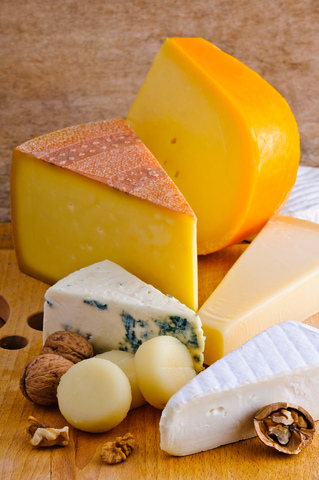
Cheese, as our team at Blue Spruce Dental will tell you, is one of the healthiest snacks for your child’s teeth. In addition to providing large amounts of much-needed calcium, cheese also helps fight cavities. Cheese helps stimulate the body’s salivary glands to clear your child's mouth of debris and protect them from acids that weaken them. This means cheese disrupts the development of cavities, especially when eaten as a snack or at the end of a meal. Calcium and phosphorous found in cheese reduce or prevent decreases in the plaque’s pH level and work to re-mineralize the enamel of your child’s teeth, according to the American Academy of Pediatric Dentistry.

We hope this helps! If you or your child have any questions about cheese or calcium, or want to schedule an appointment, please give us a call!


My gums are shrinking!

August 15th, 2013

Have you ever looked in the mirror and noticed that your teeth looked longer? Does it seem like your gums are shrinking? This condition is called recession—many adults have it. Let’s look at some of the causes and what you can do about it.

During your routine exams at Blue Spruce Dental, the dental hygienist takes measurements to check for periodontal disease. Dental professionals take recession measurements to see how much attached gingiva is present. This is the kind of tissue that is most resilient to infection.

The more recession, the less attached gingiva. The less attached gingiva, the less bone support. The less bone support, the higher your chances of tooth loss. It is quite a domino effect.

Don’t lose hope. The effect can be halted once you know the cause of your recession.

Do you ever wake up with your jaw clenched, and/or a headache that originates just above your ears? Clenching or grinding your teeth can cause recession. When there is added stress on a tooth, it flexes at the gum line.

Over time this causes microscopic breaks in the enamel and then a notch appears. The gum line is forced to move away from its original position. If this is something you see in your mouth, we can discuss the possibility of an occlusal guard at your next visit.

How do you brush your teeth? Do you brush in a straight line or circles? What kind of bristles do you use? Are the bristles on your toothbrush frayed?

When you brush in a circle, you are sweeping all along the gum line, removing the plaque from most angles. When you brush in a straight line, you may often miss the concave portion of the gums. This leaves plaque behind and leads to gingivitis. Whenever gingivitis occurs, the body attacks supporting structures like bone while trying to get rid of the infection. This is periodontal disease, which can cause recession.

Recession may also result from an irritant on the gums, such as a bar from a partial denture or orthodontic appliance (braces).

Gums do not “grow back.” The most common treatment for advanced recession is a tissue graft. There are many different kinds of tissue grafts.

Other factors can cause recession. If you think recession is happening in your mouth, schedule an appointment with Dr. Timm to discuss your options, so you can make the appropriate treatment choice.

I’m on a diet and getting MORE cavities!

August 8th, 2013

Health gurus rave about replacing unhealthy food choices with healthy ones in your diet. If you want to maintain your beautiful smile as well as your waistline, choose foods that are good for your teeth and good for losing weight. This article will discuss some of the worst healthy foods for your teeth and what you can do to continue to enjoy them.

When watching your weight, snacks heavy in sugar and starch are the first target for elimination. You want to trade those empty calories for something with more nutritional value. A healthier snack is fruit and vegetables. When you are substituting empty calories with whole foods such as fruits and vegetables, consider a few implications for your dental health.

The most acidic fruits are grapes, grapefruit, and strawberries. Want to know the number-one worst healthy food for your tooth enamel? Apples! An apple a day may keep the doctor away but you may soon be calling your dentist.

Another healthy food often incorporated into dieting is salads. But consider what you put in those salads. Salad dressings are filled with vinegar and sweeteners. These make a salad very acidic and can change the pH of your mouth from alkaline, which is good for your teeth, to acidic, which puts your smile at risk for erosion and decay.

Last but not least is diet soda. You might be cutting down on the calories but you are still putting your teeth at risk for decay. Though calories are reduced, the acid is not.

You do not need to eliminate any of these foods from your diet. Simply alter what you do after eating these foods to decrease the amount of acid your teeth are exposed to.

During your next visit to Blue Spruce Dental in our Michigan Center, MI office, we can discuss your diet. We may recommend using certain products to fortify your teeth or change the way you routinely care for your teeth.

Please enjoy the wonderful whole foods that are great for a healthy waistline. A healthy waistline and a healthy smile have a positive influence on your general health. A healthier you is a happier you. The happier you are, the more you smile. Keep your smile brilliant and beautiful with the care your teeth deserve at the practice of Dr. Timm.

Tooth Discoloration: Common Causes and What You Can Do To Stop It

August 1st, 2013

Looking back at childhood photos, you may notice picture after picture of yourself with a mouthful of shiny white teeth. When you look in the mirror today, you wonder what happened to that beautiful smile. Many adults struggle with tooth discoloration and find it embarrassing to show off their teeth in a smile. Once you identify the cause of your tooth discoloration, there are treatment options at Blue Spruce Dental that can restore your teeth and your confidence.

What Causes Tooth Discoloration?

There are a host of factors that may cause your teeth to discolor. Some are directly under your control, and others may not be preventable. Here is a list of common reasons that teeth become discolored.

  • Genetics: Much of your dental health is determined by genetic factors beyond your control. Some people naturally have thinner enamel or discolored teeth.
  • Medications: Several medications lead to tooth discoloration as a side effect. If you received the common antibiotics doxycycline or tetracycline as a child, your teeth may have discolored as a consequence. Antihistamines, high blood pressure medications, and antipsychotic drugs can also discolor teeth. If you think a medication may be leading to tooth discoloration, talk to Dr. Timm. Never discontinue the use of a medication without consulting your doctor, however.
  • Medical Conditions: Genetic conditions such as amelogenesis or dentinogenesis cause improper development of the enamel, and can lead to yellowed, discolored teeth.
  • Poor Dental Hygiene: Failing to brush your teeth at least twice a day or regularly floss may lead to tooth decay and discoloration.
  • Foods and Tobacco: Consumption of certain foods, including coffee, tea, wine, soda, apples, or potatoes, can cause tooth discoloration. Tobacco use also causes teeth to turn yellow or brown.

Treatments for Tooth Discoloration

There are a variety of treatments available to individuals with discolored teeth. One of the easiest ways to reduce tooth discoloration is through prevention. Avoid drinking red wine, soda, or coffee and stop using tobacco products. If you drink beverages that tend to leave stains, brush your teeth immediately or swish with water to reduce staining.

After determining the cause of tooth discoloration, Dr. Timm can suggest other treatment options. Over-the-counter whitening agents might help, but in-office whitening treatments provided at our Michigan Center, MI office would be more effective. When whitening agents do not help, bondings or veneers are among the alternative solutions for tooth discoloration.

If you are worried about your teeth becoming yellow or brown, think carefully about your diet and medication use. Talk to Dr. Timm to identify substances that may be causing the problem. After treatment for tooth discoloration, you will have a beautiful white smile you can be proud to show off.

Contact Us!
call email