May 6th, 2015

Summer is almost here, which means a season full of vacations, adventures and great memories is just around the corner for our patients at Blue Spruce Dental.
Everyone wants a glowing and radiant white smile when the sun comes around and we have a few reminders to keep your pearly whites healthy and beautiful over the summer! Try to stay away from drinks that will stain your teeth like coffee, soft drinks, or dark colored juices. Not only will drinks like this weaken your enamel but they will also darken that fabulous smile you're working on! Another tip is to try and focus on brushing your teeth; everyone knows that when busy schedules start picking up, getting a good brushing session in tends to take the backseat! A good tip for keeping your mouth safe from staining and other possible pitfalls is to rinse your mouth with water after any meal you can’t fully brush your teeth after. Your teeth, inside and out, will benefit!
And remember, whether you are headed to a barbecue, a camping trip, or just having fun in the backyard this summer, we want to hear all about it! Make sure to let us know what you’re up to below or on our Facebook page! We also encourage you to post any photos from your adventures!
April 29th, 2015

At Blue Spruce Dental, we know how tempting candy can sometimes be on our sweet tooth, but it’s important to remember that every candy and sugary treat you consume elevates your risk of developing tooth decay, which can break down your teeth.
While not all bad in moderation, when eaten in excess, candy can lead to big problems, especially if good oral hygiene habits are not followed. We have a few helpful tips if you just can’t stay away from all those treats:
1. Consume candy and other sweets during meals when your saliva can help neutralize the acids that are found in some candies, especially the sour variety.
2. Avoid sticky or hard candies, which can stay in your mouth longer than you think, resulting in acids being constantly exposed to your teeth. That leads to cavities and tooth decay.
3. Make sure the water you drink is fluoridated. Water that is fluoridated has been shown to help prevent cavities.
4. Make sure to maintain your daily oral hygiene habits. This includes brushing twice a day, and flossing at least once.
5. Visit our office twice a year for regular dental checkups and cleanings with Dr. Timm. During your visit, we can help catch problems such as cavities early to reduce the effects they have on your teeth, as well as give you tips for improving your oral health.
We hope these tips have helped! To learn more about cavity prevention, or to schedule your next visit at our convenient Michigan Center, MI office, please give us a call!
April 22nd, 2015
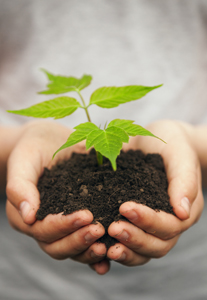
The idea for Earth Day was the brainchild of Gaylord Nelson, a senator from Wisconsin. He envisioned an Earth Day that would be a kind of environmental teach-in. The first Earth Day celebration took place on April 22, 1970, and a surprising 20 million people participated on that day. Ultimately, it became the largest organized celebration in US history.
Earth Day Over the Years
Over the years, the recognition of the day, and the number of people celebrating it all over the world, turned Earth Day into an international celebration. Because it is celebrated throughout the world, it is not only the largest international environmental observation, but it is also more widely celebrated than any other environmental event in the world. Today, Earth Day is celebrated in 175 countries where over 500 million people participate in celebrations.
The Earth Day Movement
The Earth Day movement is credited with developing the idea that people should “think green”. It encouraged congress to enact laws, including one that resulted in the creation of the Environmental Protection Agency. It also inspired the passage of the Endangered Species Act.
The Five R's and Their Importance
- Reduce – Reduce by avoiding unnecessary purchases. Reduce your use of materials that wind up in landfills. Reduce the use of chemicals around your house. Reduce your use of disposable bags, plates, cups, eating utensils, and batteries.
- Reuse – Instead of using plastic bags for your groceries or purchases, bring your own reusable bags. When you go to buy coffee at Starbucks, take a travel mug so you don't have to get your coffee in a disposable paper cup. Instead of storing food in disposable refrigerator containers, buy containers that can be washed and reused. Don't use regular batteries. Whenever possible, opt for rechargeable batteries that you can reuse.
- Recycle – Most cities offer a recycling program to collect used bottles, cans, and newspapers. Recycling includes collecting recyclable materials that would otherwise be considered waste, sorting and processing recyclables into raw materials such as fibers and manufacturing raw materials into new products.
- Re-buy – Make an effort to purchase things that are made through recycling. When purchasing furniture, look for items that are made from reclaimed wood. When buying paper for kids school work, computer printer paper, holiday cards, or anything else, make a point of purchasing recycled paper products. Instead of buying clothing at full retail price, shop for second hand clothing. You will save a lot of money by doing so!
- Rethink – Rethink the way you do things so that you do them in an eco-conscious way at all times. Instead of driving to work alone, consider taking the bus or going in a carpool. Walk or ride your bike when you're only going a short distance. Plan your shopping trips and errand runs so that you can do everything on one day, and do it in a way where you can save time and gas.
Other ways to "think green" include growing your own food, composting yard waste and food scraps, or by participating in local recycling programs. Join a group like Freecycle so you can share your unneeded and unwanted possessions with people who can use them. Likewise, you'll be able to get things you need or want for free.
Earth Day teaches people that the planet belongs to everyone, so everyone is equally responsible for protecting it. Although Earth Day is an environmental celebration, our team at Blue Spruce Dental wants to remind you that you don't have to wait until then to make changes that will allow you and your family to live a greener life.
Happy Earth Day from the team at Blue Spruce Dental.
April 15th, 2015

Your regularly scheduled dental checkups with Dr. Timm are not just meant to make your smile prettier and healthier. Your mouth’s health has an important impact on your overall physical health as well!
While you may brush your teeth twice a day and even floss, we would like to remind you that dental checkups with Dr. Timm every six months aren’t just about addressing problems and reacting, they are about cavity and gum disease prevention.
In addition to a twice yearly thorough teeth cleaning and polishing at Blue Spruce Dental, these regular visits help us detect and prevent the onset of tooth decay and gum disease. During your visit, we’ll check the health of your mouth, teeth, gums, cheeks, and tongue. We’ll also check old fillings and restorations, as these can wear away over time from constant chewing, grinding, or clenching.
It’s important to know that the majority of dental problems do not become visible or painful until they are highly advanced. And, unfortunately, serious oral issues are painful and expensive to treat.
While Dr. Timm and our team always strive to provide unmatched dental care for you and your family, we are also committed to your overall wellness as well! A deep cleaning twice a year is the best way to prevent any problems that may have gone unseen. If you are overdue for your next cleaning, please give us a call to schedule an appointment at our Michigan Center, MI office!