June 27th, 2018
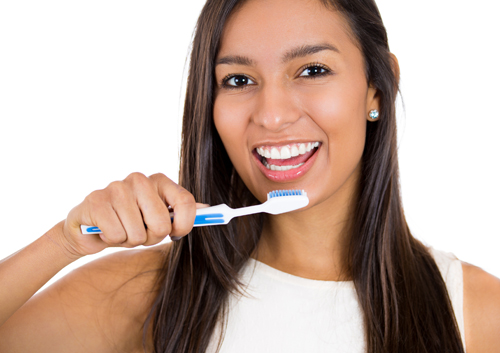
With so many toothpastes available in so many price ranges, it can be difficult to be sure you are selecting the right one for your needs. You need a product that not only protects against tooth decay, but also addresses any special concerns that Dr. Timm and our team have raised. Look for the American Dental Association seal and do some research to find the toothpaste that best meets your needs.
Choose a Product Approved by the American Dental Association
The American Dental Association approves dental products such as toothbrushes, dentures, mouthwashes, dental floss, and toothpastes when they meet certain quality standards. Before products can display the seal, the American Dental Association must verify that the product does what it claims to do. Look for the American Dental Association seal on the toothpaste package before you buy it. Also, check to make sure that the toothpaste contains fluoride, which helps protect against decay.
Consider Special Needs
You may be depending on your toothpaste to perform extra tasks beyond cleaning your teeth. These are some common concerns that the right toothpaste can address.
- Bad breath (halitosis)
- Sensitive teeth
- Plaque or gingivitis
- Tartar
- Yellowing teeth
The American Dental Association’s website has a tool that lets users input their requirements and view a list of the toothpastes that carry the American Dental Association’s seal and address those particular oral health needs.
Make Your Children’s Tooth-Brushing Experience Fun
If you select toothpaste that contains fluoride and has the American Dental Association seal, most types of toothpaste will be fine for your children as long as they have no special needs. Allowing your kids to select fun toothpaste can encourage them to enjoy the brushing experience more, so that they brush more frequently and do a better job.
The following toothpaste characteristics can make brushing more fun for children.
- Fun flavors, such as bubble gum, berry, and watermelon
- Sparkles and swirls that make the toothpaste appear more attractive
- Toothpaste that comes in a pump
- Toothpaste with a container decorated with superheroes
June 20th, 2018

Guilt is a powerful feeling. It can keep you from doing many things, including going to the dentist. The good news is that Blue Spruce Dental is a judgement-free zone, and coming back (even after an extended period of being MIA) can be easier than you think. Our goal is to make you as comfortable as possible during your first appointment back with us — so here’s a little overview of what you can expect.
We’ll start with a series of dental X-rays, which are usually taken every three to five years. The set of X-rays will depend on your individual needs and it will help us get a more thorough look at what’s going on with your dental structure and keep an eye out for any prominent dental issues.
Next up will be your hygiene appointment. That appointment will consist of a review of your medical history and be followed by a thorough cleaning of your teeth. This is the perfect time to share concerns you may have about your oral health and ask us questions.
You’ll finish up with a comprehensive exam, which will review everything you covered with the hygienist. Dr. Timm will go over your medical history with you and address any dental concerns that might remain. If any special treatment is needed for such issues as cavities or broken fillings, we will discuss that with you as well.
Once all that is done, you’ll head over to the front desk to talk about payment and scheduling your next appointment. And that’s it! Your first visit back is an important step toward continuing to look out for your dental health.
Just because you slacked for a little while or life got in the way, this doesn’t mean things have to stay that way! We’re happy to help you get you back on track, so schedule an appointment at our Michigan Center, MI office today!
June 13th, 2018

When you were a kid, your parents may have told you to drink milk to build strong bones and grow tall and strong. Now that you have children of your own, you may hear yourself parroting those instructions you received years ago. Getting enough dairy is essential for young children whose teeth are growing. A child who consumes the recommended daily serving of dairy will develop healthy, strong teeth for the rest of his or her life.
So, which foods are the best in terms of acquiring the right amount of calcium? Milk and other dairy products are excellent sources of calcium. Milk also contains vitamin D, phosphorus, magnesium, and proteins. Magnesium promotes calcium deposits in your enamel, while phosphorus forms a small but important barrier against acidic foods that cause cavities. Vitamin D and protein are used by a child’s body to build bone tissue and maintain dental health.
According to a recent study, the majority of Americans, including children, do not receive enough calcium. In fact, according to the Academy of General Dentistry, only one in five children meets even the minimum standards for calcium consumption. The U.S. Department of Agriculture recommends that children under the age of eight should receive two and a half cups of dairy per day. Children older than eight need three full cups, the same as adult men and women. In addition to milk, eating yogurt is a great way your child can increase his or her dairy consumption. Drinking sugary beverages in place of milk causes cavities and tooth decay.
If your child does not get enough dairy consumption, they run the risk of improper tooth development and other dental health problems. Dr. Timm and our team at Blue Spruce Dental encourage you to monitor your child’s dairy consumption to ensure he or she grows healthy teeth to last a lifetime.
Questions? Give us a call at our Michigan Center, MI office!
June 6th, 2018

If you or your children suffer from dental anxiety, you aren’t alone. According to the Cleveland Clinic, between nine and 15 percent of Americans admit to feeling sufficiently afraid of going to the dentist to avoid making an appointment. The potential consequences of dental anxiety extend beyond poor oral health. Lack of dental care can cause serious but easily preventable medical conditions.
Dental Anxiety versus Dental Phobia
Dental anxiety provokes a sense of fear in people, typically before they arrive at Blue Spruce Dental. Those fears or worries are often exaggerated. Dental phobia shares many of the symptoms that characterize dental anxiety. It is a much more serious manifestation of that anxiety, and may provoke a sense of panic or terror in people. While people who suffer from dental phobias know that their feelings are irrational, they are unable to control, stop, or change those thoughts.
People who have dental phobias often avoid going to the dentist, and they come up with every possible excuse to justify not going. The only time a person who suffers from a dental phobia will go to the dentist is when he or she is forced to do so, or because of intense tooth pain. People who have dental anxiety don’t go to such extremes to avoid going to the dentist; anxiety usually begins in anticipation of the appointment.
What We Do to Ease Patient Anxiety
Dr. Timm and our staff have many techniques we can use to help patients feel more comfortable at their appointments. Dental Fear Central gives some simple suggestions to help children and adults who are apprehensive about going to the dentist, even if they suffer from the more severe form of anxiety: full-blown dental phobia.
- The Tell-Show-Do Approach: We help our patients relax by making sure they understand what is involved in the exam and any procedure they may undergo. We tell patients about the procedure, show them the tools and equipment we intend to use, and answer questions before actually performing the procedure. This is helpful for patients who don’t know what to expect.
- Distraction: We offer personal music players and a collection of CDs that patients can listen to. The relaxing qualities of music may help distract a patient enough to make the process less stressful. In-office televisions allow you to watch TV while waiting for your appointment.
Dr. Timm and our staff know that some patients are anxious about dental treatment, and we go to great lengths to make you feel more comfortable. Good oral health is very important, and when your mouth isn’t healthy, you can suffer from many other easily preventable medical problems.