Our Blog

Dental X-Ray Safety

August 12th, 2020

It's easy to be skeptical about X-rays whether we speak of a full-body X-ray or a dental X-ray. Radiation is radiation. It's vital to know all the facts before judging too harshly, though. Dental X-rays can be one of the best preventive tools for your dental health. We offer various treatments at Blue Spruce Dental, but helping you become better informed is one of the best ways to decide what will be best for you.

According to the AmericanDental Association, healthy adults typically receive routine dental X-rays every two to three years. The timeline for children is every one or two years, and one and a half for teens. Children and teens require more X-rays than adults because their teeth are still developing, which makes them more susceptible to cavities.

In general, Dr. Timm will determine how often dental X-rays need to be taken for each individual patient, taking into consideration physical symptoms, clinical findings, and risk for infection. Most dental professionals use Caries Management by Risk Assessment (CAMBRA) to help them determine how often X-rays should be taken, so you can rest assured that we are making an informed decision.

In addition to that, it should be reassuring to know that these days, most dental X-rays are digital, which significantly reduces your exposure to radiation. In fact, you’re likely to pick up more radiation just from being in the sun! Lead aprons and thyroid collars are also tools that Dr. Timm and our team use to keep X-ray exposure to a minimum.

At our office, we believe that diagnosing cavities and other potentially harmful conditions by dental X-ray does you more good than harm. If you have any questions about our X-rays, feel free to give our Michigan Center, MI office a call or bring up the subject during your next appointment!

What to do about Sensitive Teeth

August 5th, 2020

If you suffer from sensitive teeth, you already know the frustration of having a type of pain that is hard to deal with. Because tooth sensitivity is sometimes unpredictable, you can't necessarily take medication to ward off the pain like you could if you just felt a headache coming on.

However, there is still something you can do about sensitive teeth. Use the following tips to help put your sensitivity and pain problems with your teeth behind you!

Use the Right Toothbrush: Select a toothbrush made just for sensitive teeth, or the softest bristles possible. This helps you avoid putting any extra pressure on your teeth or gums.

Choose a Special Toothpaste: There are several good options for toothpastes made just for sensitive teeth today. Usually, toothpaste formulated for sensitive teeth will be fluoridated and use a non-abrasive formula. The toothpaste will help with the pain usually associated with brushing and flossing if you use it regularly.

Avoid Trigger Foods: You may have noticed certain trigger foods that cause tooth sensitivity and pain for you. Avoid these foods whenever possible, and if you absolutely must eat them, try to consume them in very small quantities. Trigger foods may include:

  • Foods with high acid content for example citrus fruits
  • Very hot or very cold foods
  • Hard or crunchy foods

Visit Our Office

If your sensitive teeth problem is too serious to manage on your own, a visit to our Michigan Center, MI office may be in order. There are a couple of ways Dr. Timm can help:

  • Fluoride Treatments: We can put a special fluoride formula on the most sensitive areas to help make your enamel stronger and to help lower pain levels.
  • Sealing Exposed Roots:In some cases, your roots become exposed due to a receding gumline, which in turn causes teeth sensitivity and pain. We can apply a dental sealant that protects the exposed roots and reduces your pain dramatically.

Mall Whitening: Why You Shouldn’t

July 29th, 2020

A shopping mall is a great place to get lots of errands done in one trip. Department stores, clothing boutiques, specialty shops? So many tempting options all in one place. But teeth whitening? Maybe not.

Dental office whitening provides you with the whitest possible teeth in the safest possible manner. Your teeth will be checked first for any conditions that might make whitening a bad idea, such as tooth decay, weakened enamel, or gum disease. Dr. Timm will make sure your gums and mouth are protected. A gel with a higher concentration of bleaching agents than those available over-the-counter will be applied, and your whitening progress will be monitored. You can also ask about having a custom-fitted tray made for at use at home with professional whitening gel.

What is different about mall bleaching?

  • No dental exam will be provided beforehand. If you have dental issues, the whitening process might cause further problems such as tooth sensitivity or gum inflammation.
  • The amount of peroxide in the bleaching agents can vary from place to place. You might end up with something equivalent to home whitening strips, or you might be exposed to solutions that should only be available in a dentist’s office.
  • Finally, in many areas, mall whitening is actually illegal because it is considered the practice of dentistry without a license. Mall kiosks skirt this problem by having customers insert the trays full of gel themselves—a practice that does not take the place of professional training, licensing, and regulation.

A mall kiosk is a convenient place to select a new phone. Or try an unusual hair care product. Or purchase the latest in fad toys. But when it comes to your dental health, it’s worth a special trip to our Michigan Center, MI office if you want the safest, most effective whitening.

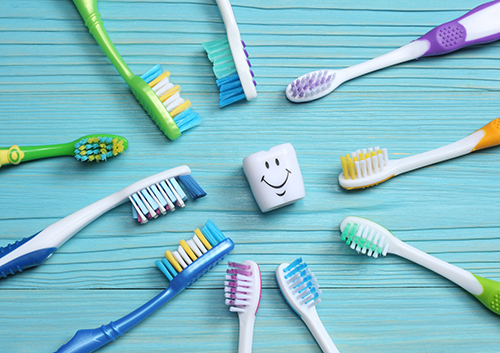
Electric Toothbrushes vs. Regular Toothbrushes

July 15th, 2020

Convertible or sedan? Downtown or suburbs? Electric or manual toothbrush? As life decisions go, it’s certainly not choosing your next car, or deciding where you want to live. But, even when you are selecting a toothbrush, it helps to make a list of the pros and cons of the contenders before you make that final selection.

  • Efficiency

The most important factor in choosing a toothbrush is finding out which model works best to eliminate bacteria and plaque. And studies have shown that, used properly, both electric and manual toothbrushes do a great job of removing plaque. Some electric models can reach the backs of teeth and the gumline more easily, some manual head designs work better for your individual mouth and teeth, so your particular needs should dictate which style of toothbrush you use. Talk to us about the best methods to brush with your preferred toothbrush, and we’ll let you know if one type of toothbrush or the other might work better for you.

  • Health Considerations

Brushing too energetically can actually harm teeth and gums, causing sensitivity and damage to the enamel and gum tissue. An electric toothbrush should provide a continuous brushing motion without needing any pressure from the brusher. This might be the model for you if you have a too-vigorous approach to brushing, or sensitive teeth and gums.

An electric toothbrush can also be more efficient for older and younger brushers, those with limited mobility, and those with health conditions or injuries that make brushing with a regular toothbrush more difficult.

  • Cost

An electric toothbrush is not a one-time investment. You should change the removable head as often as you change your manual toothbrush (every three to four months, please). But this cost is offset if an electric toothbrush is more efficient in removing your plaque, easier to use, or even if you just prefer it to manual brushing. If you find that you brush better and more often with an electric toothbrush, the added expense is well worth it.

Whichever brush you decide on, the most important part of the brush is the person holding it! A regular appointment with your toothbrush for two minutes of thorough brushing in the morning and two in the evening, daily flossing, and regular visits to our office for checkups and cleanings will keep your teeth healthy and strong no matter which toothbrush you choose.

Questions about your toothbrush choices? Don’t hesitate to ask Dr. Timm at our Michigan Center, MI office.

Contact Us!
call email